
Business Name:
THE PFLUGERVILLE PLUMBER
Address:
2401 Pecan St, Pflugerville, TX 78660
Phone:
(512) 592-7789
Water heater installation is usually the right fix when there is no hot water, the tank leaks from its base, rusty water returns after the taps run, or an older unit cannot keep up with normal showers. The Pflugerville Plumber can help assess the tank, burner, thermostat, pressure-relief valve, and venting before replacement is chosen. A new unit may also make sense if sediment has reduced usable capacity and the burner runs excessively long.
Not every plumbing symptom points to the water heater. Low pressure at one faucet may be an aerator or shutoff valve issue; slow drains need drain cleaning, and a running toilet usually needs a flapper or fill valve. Damp patches, banging pipes, or discoloured water can signal a slab leak, loose pipe supports, or corroded supply lines. Diagnosing the source first prevents replacing a tank that is still working.
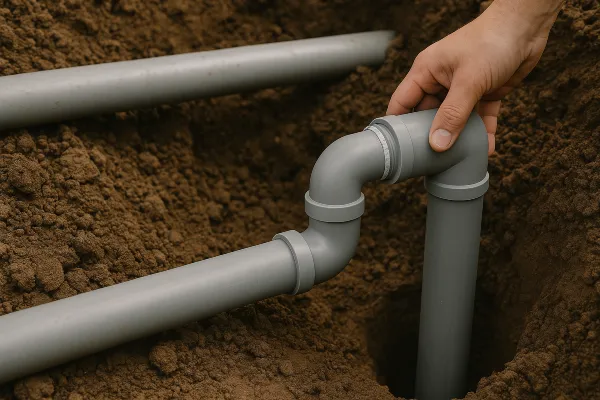
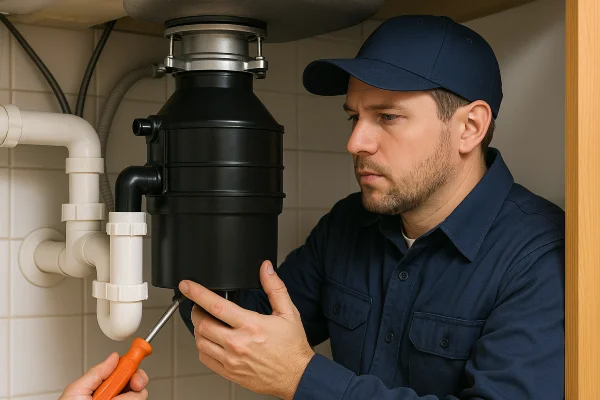
Installation cost changes with the heater’s size, fuel type, location, and the condition of the connections already in place. A straightforward same-location tank swap often falls toward the lower end of a broad installation range, while a larger-capacity unit, tankless system, attic placement, or garage platform can raise labor and material costs substantially. Gas vent pipe, electrical wiring, drain pans, expansion tanks, shutoff valves, and permit requirements can each add work. Learn more about our expert Clogged Drain Repair services.
A written estimate should separate the water heater, haul-away, labor, permit allowance, piping changes, venting, and safety components such as a temperature-and-pressure relief discharge pipe. It should also explain allowances for hidden corrosion or undersized gas lines discovered after disconnection. That detail lets you compare proposals fairly instead of comparing one total against another. Clogged Drain Repair is normally separate work unless a drain connection directly affects the installation.
Most like-for-like water heater installations take roughly half a day to a full day, though an attic unit, a tankless conversion, or required vent and gas-line changes can stretch into a longer visit. Water at faucets will be off during portions of the work, and gas or power must be shut down while the old tank is disconnected. After installation, a tank needs time to fill before power or heat is restored. Learn more about our expert Slab Leak Repair services.
Some of the quietest parts of the visit are also important. The plumber may be measuring pipe diameter, checking the vent slope, pressure-testing fittings, waiting for a tank to fill, and watching for leaks at unions and valves. Delays commonly come from corroded nipples, inaccessible shutoffs, damaged flue sections, or code updates required for the new unit. Slab Leak Repair involves a different diagnosis and can affect timing only if supply piping needs correction.
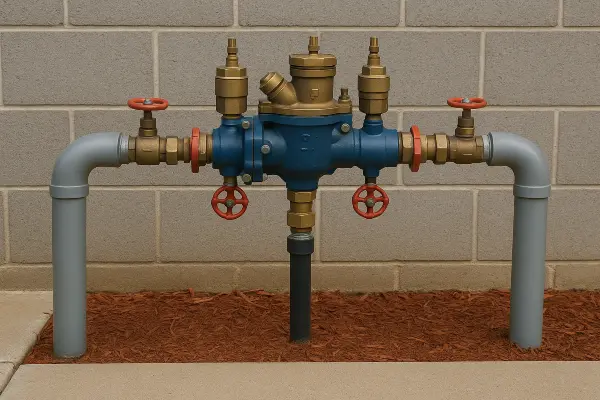
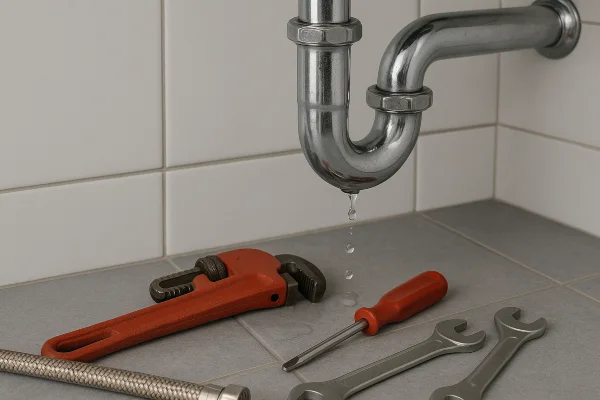
Ask who will verify the heater size, fuel source, venting route, electrical requirements, and placement before work begins. A household with two bathrooms may need a different recovery rate or gallon capacity than a one-bath home, while a tankless unit must be matched to incoming water temperature and fixture demand. Request an explanation of the drain pan, expansion tank, seismic strapping where applicable, shutoff valve, and temperature-and-pressure relief piping.
Review the written estimate for the exact model or capacity range, labor scope, disposal of the old tank, permits, and any possible pipe or vent modifications. Ask what happens if a corroded valve breaks or a gas connector does not meet current requirements. A contractor should explain shutdown time, access needs, testing steps, and how to operate the new thermostat or control panel. Clear answers before the old tank is removed make unexpected decisions less likely.
THE PFLUGERVILLE PLUMBER
2401 Pecan St, Pflugerville, TX 78660
(512) 592-7789
Hours of Operation
Open 24 Hours